
Why casinos thrive on player loyalty programs
The Importance of Player Loyalty Programs
Player loyalty programs are cornerstone strategies in the casino industry, serving to enhance customer retention and engagement. These programs are designed to reward players for their continued patronage, fostering a sense of belonging and appreciation. By offering benefits such as exclusive rewards, cashback deals, and tailored experiences, casinos encourage players to return to play exciting online pokies that create a cycle of loyalty, benefiting both parties. This symbiotic relationship not only increases customer satisfaction but also generates repeat business, which is essential in a highly competitive market.
Furthermore, such programs provide casinos with valuable insights into player behavior. By tracking spending patterns and preferences, casinos can tailor their offerings to meet the needs of their clientele effectively. This personalization enhances the overall experience, allowing casinos to optimize their marketing strategies and adjust their gaming options based on player feedback and trends. Hence, loyalty programs are not just about rewards; they are a strategic tool that allows casinos to build deeper relationships with their players.
Additionally, loyalty programs can significantly enhance a casino’s brand reputation. Happy and engaged players are likely to share their experiences through word-of-mouth and social media, acting as brand ambassadors. A positive reputation leads to new customer acquisition, as potential players are more inclined to visit a casino that is recommended by friends or has good reviews online. Therefore, investing in a robust loyalty program is not merely a financial decision but a key factor in sustaining growth and securing long-term success in the casino industry.
How Loyalty Programs Enhance Customer Experience
The customer experience in casinos is paramount to their success. Loyalty programs play a crucial role in enhancing this experience by offering players a sense of value and recognition. When players feel acknowledged for their loyalty, they are more likely to enjoy their time spent gambling or engaging with other casino amenities. This recognition can manifest in various forms, from earning points for every dollar spent to receiving personalized greetings from staff, creating a welcoming atmosphere. The emotional connection fostered through such experiences encourages players to return frequently.
Moreover, loyalty programs often come with tiered levels of rewards, incentivizing players to reach higher status levels. As players accumulate points, they unlock additional benefits such as complimentary meals, hotel stays, or access to exclusive events. This gamification of the loyalty program not only enhances the overall gambling experience but also encourages players to spend more in the hopes of attaining these higher tiers. Consequently, the loyalty program becomes a game in itself, adding layers of excitement to players’ visits.
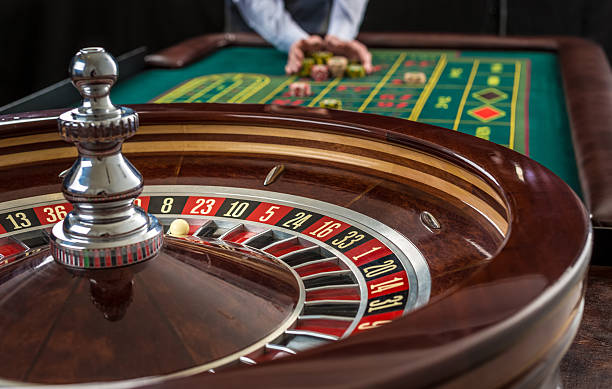
Furthermore, the integration of technology into loyalty programs has revolutionized the customer experience. Many casinos now offer mobile apps that allow players to track their points, receive real-time promotions, and access personalized rewards. This convenience not only enhances engagement but also ensures players feel connected to their favorite casinos even when they are not physically present. As technology continues to evolve, loyalty programs will likely become even more sophisticated, further enriching the way players interact with casinos.
Financial Benefits for Casinos
The financial advantages of player loyalty programs for casinos are substantial. First and foremost, retaining existing customers is significantly cheaper than acquiring new ones. By providing incentives that keep players returning, casinos can minimize their marketing costs and drive more consistent revenue streams. As loyal customers tend to wager more over time, the return on investment for these programs becomes evident. A well-implemented loyalty program can lead to higher lifetime values per customer, ensuring that casinos maintain a steady profit margin.
Moreover, loyalty programs can help casinos increase their spending per visit. When players are encouraged to participate in the program, they are more likely to engage in additional gaming, dining, or entertainment options. This behavior is often driven by the desire to accumulate points or rewards. As a result, casinos can create a multiplier effect, where the initial investment in the loyalty program translates into increased overall spending from their clientele.
In addition, successful loyalty programs can lead to valuable partnerships and sponsorship opportunities. Casinos may collaborate with hotels, restaurants, and entertainment venues to create exclusive offers for loyalty program members. These partnerships can enhance the perceived value of the loyalty program, attracting even more players and driving additional revenue for all involved. The financial ecosystem created by these programs not only supports the casino’s bottom line but can also contribute to the broader local economy.
The Role of Marketing in Loyalty Programs
Marketing is an essential component of any successful player loyalty program. Effective communication strategies can significantly enhance awareness and participation in these programs. Casinos need to ensure that their players are informed about the benefits and rewards available to them. Through targeted email campaigns, social media marketing, and in-casino promotions, casinos can create excitement and anticipation around their loyalty programs, driving higher enrollment rates and engagement.

Furthermore, casinos must be diligent in maintaining the interest of their players by regularly updating the rewards and benefits associated with their loyalty programs. By introducing new promotions and seasonal offers, casinos can keep their programs fresh and engaging. This not only motivates existing players to stay active but also attracts new customers eager to take advantage of the latest promotions. Consistent marketing efforts are vital in reminding players of the value of their loyalty and the benefits they can receive.
Additionally, feedback is a crucial element of any loyalty program’s marketing strategy. Casinos should actively seek player feedback to understand their expectations and perceptions of the loyalty program. This input is invaluable in shaping future promotions and ensuring that the program evolves to meet changing customer preferences. Engaging players in this way fosters transparency and trust, further solidifying their loyalty over time.
Exploring Online Resources for Loyalty Program Insights
In today’s digital age, players are increasingly seeking information about loyalty programs online. Casino websites often serve as the primary source for potential and existing players to learn about available benefits. A well-designed website offers comprehensive details about the loyalty program, including how to earn points, redeem rewards, and understand the tier structure. This transparency is crucial for building trust and encouraging participation.
Additionally, casinos can leverage their websites to share testimonials and success stories from loyal players. When potential customers see real-life examples of how others have benefited from loyalty programs, they are more likely to invest in similar experiences. Engaging content, such as blog posts or videos that highlight loyalty program benefits, can also increase player interest and drive enrollment.
Finally, casinos should ensure that their websites are user-friendly and optimized for mobile devices. Given the increasing number of players accessing casino information on their smartphones, a seamless online experience is essential. Features like quick enrollment options, easy access to loyalty program details, and responsive customer support can all enhance user satisfaction. By prioritizing a robust online presence, casinos position themselves to attract and retain players while effectively promoting their loyalty programs.